Rewire the house once, and be done.
New copper throughout, modern protection at the panel, and smart switching fitted while the walls are open — done by the same company that patches and paints afterwards.
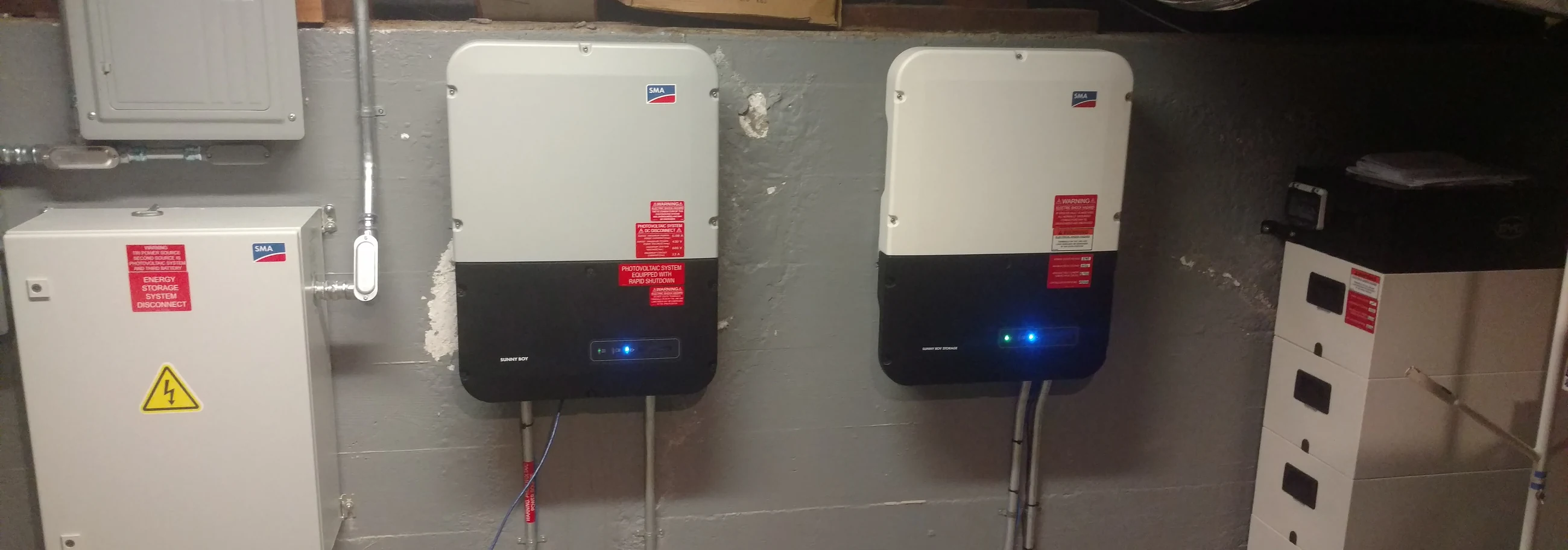
Old wiring is not just inadequate.
Homes built before 1990 were wired for a world without computers, EV chargers, home automation or the sheer number of things now plugged in at once. What was generous then is tight now.
Aluminum conductors, cloth insulation, undersized circuits and ungrounded outlets are not merely inconvenient — they are a fire risk, and insurers know it. Some will not cover a house with certain wiring at all, and others charge considerably more for it.
A full rewire replaces the conductors with new copper, puts arc-fault and GFCI protection at the panel where the code now requires it, adds smart switching and USB charging where you actually use it, and leaves the house ready for whatever comes next.
It is a large job, but a manageable one. Most of the new runs can be fished through existing walls with very little damage. Where we do have to open something up, the drywall repair and repainting are part of the package rather than your problem afterwards. You stay in the house for most of it, with power off only during specific phases.
What a full rewire includes.
The rewire
- New copper wiring throughout
- Modern Romex or MC cable
- Grounded outlets in every room
- Arc-fault circuit protection
- GFCI protection to kitchen, baths and exterior
- Proper junction boxes throughout
- 200A main panel replacement
Smart home
- Smart switches in every room
- USB outlets, Type A and C, throughout
- Dimming wherever you want it
- Motion sensor integration
- Alexa and Google Home compatible
- One unified control app
- Energy usage monitoring
Does your house need it?
Safety — deal with these
- Built before 1990
- Aluminum wiring present
- Two-prong, ungrounded outlets
- Breakers tripping frequently
- A burning smell from an outlet
- Discoloured outlet covers
- Lights that flicker
Capacity and modernisation
- Not enough outlets, extension cords everywhere
- Cannot run several appliances at once
- No dedicated circuits
- Lights dim when the AC starts
- Planning solar or an EV charger
- Buying or selling the house
- Want smart controls and lower premiums
What the smart side actually gives you.
Lighting you control
All lights from your phone, on schedules, in scenes — dinner, film, bedtime — and by voice. Smart switches work with ordinary LED bulbs, so you are not buying expensive bulbs for every fitting.
USB where you charge
Combination outlets in bedrooms, kitchen, living areas and baths, so you keep the normal sockets and stop hunting for adapters.
Routines that run themselves
Lights on when you arrive, outdoor lights at sunset, bedroom dimming at bedtime, closet lights on a motion sensor.
Energy you can see
Real-time and historical usage by circuit, alerts for unusual consumption, and a factual basis for deciding what to replace.
How long a rewire takes.
What it costs.
A guide for a typical 2,000 sq ft home, not a quote. Access, wall construction and how much has to be opened up move the figure considerably.
What you get back.
Value
A full rewire with a modern panel typically adds $15,000–$25,000 to what the house is worth.
Insurance
Premiums commonly fall 10–20% once the old wiring is gone.
Running costs
Monitoring typically takes around 15% off consumption through visibility alone.
Risk
The fire risk that comes with cloth insulation and aluminum conductors is removed rather than managed.
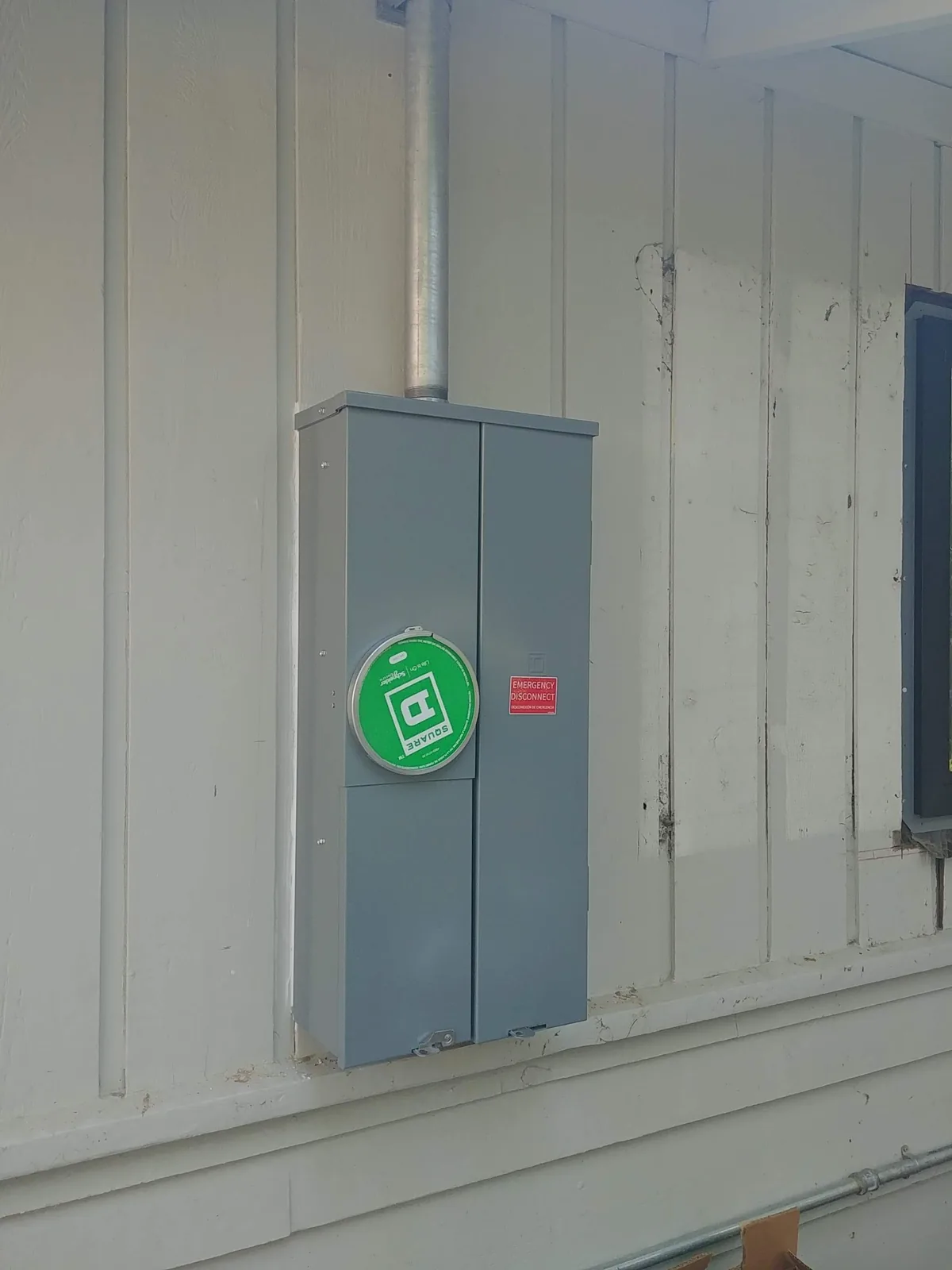
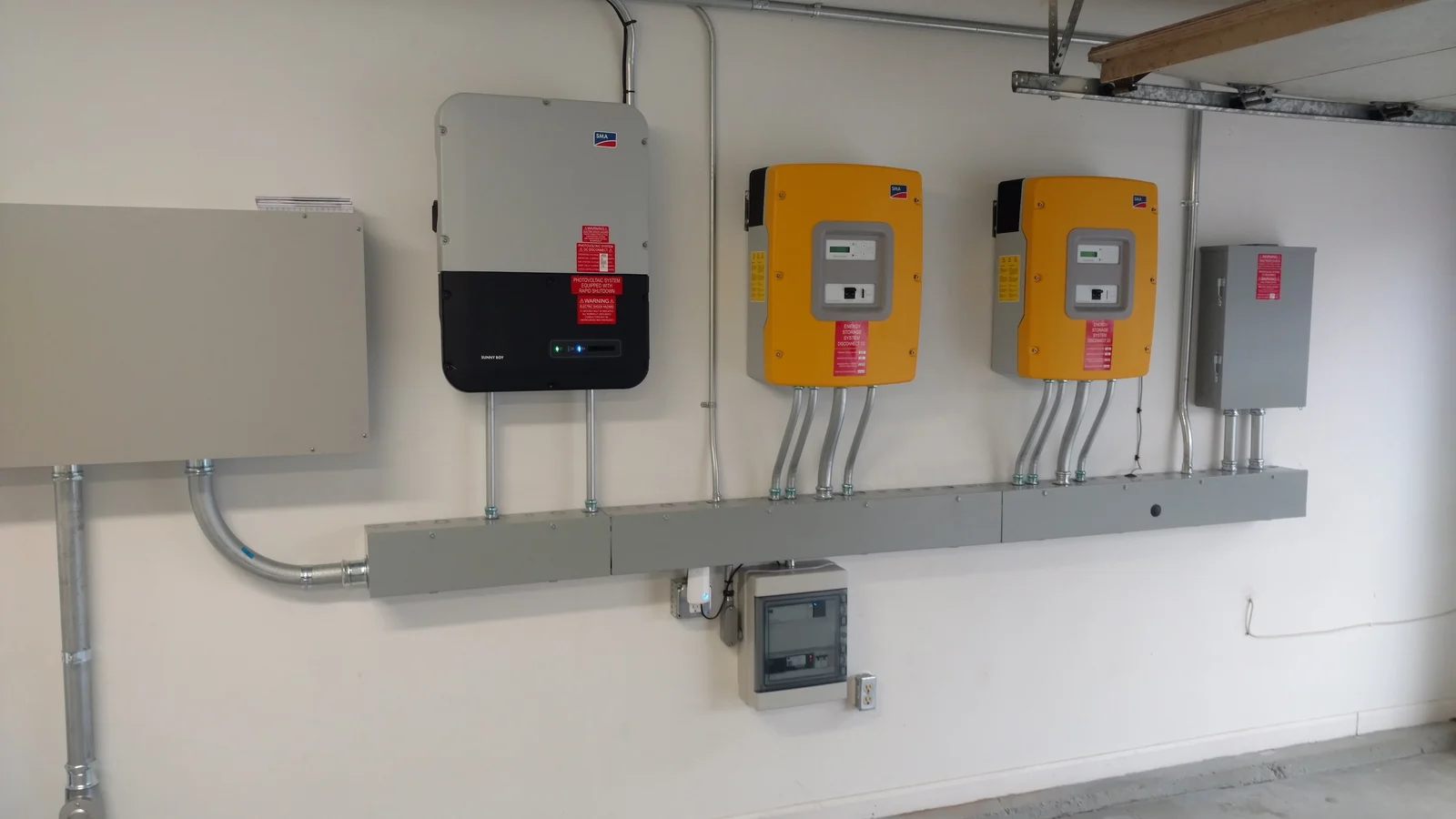
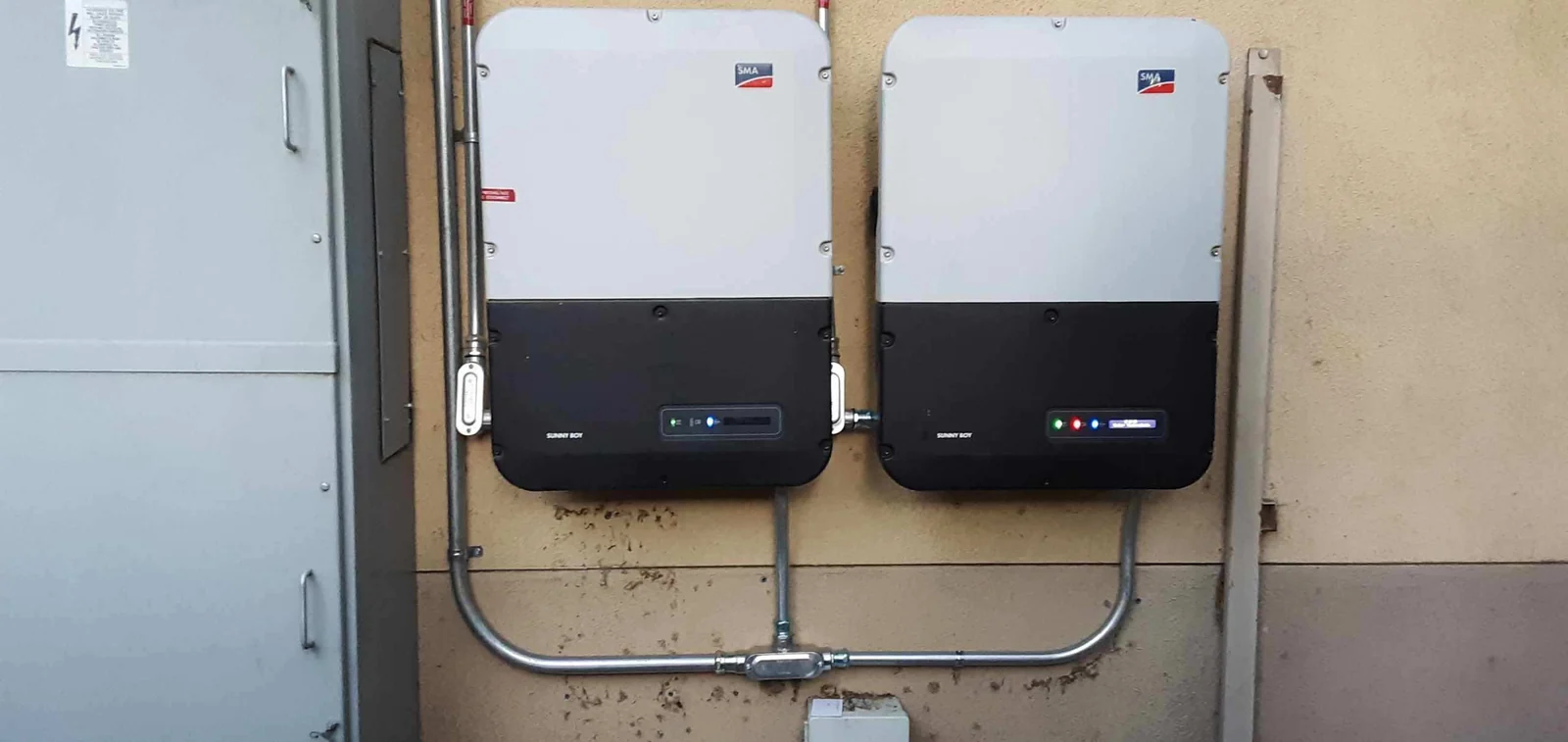
Recent work.
Ready to modernise the whole system?
We will come and look at what you have, tell you honestly how much of it needs replacing, and give you a fixed price with the drywall repair included rather than as a surprise.