Upgrade the panel once, properly.
A 200A service with room left in it, circuit-level monitoring, and provision for solar, a battery and an EV charger — so the next thing you add does not mean another panel.
The minimum upgrade is the expensive one.
Your panel is where everything in the house meets. Most homes built before 2020 have one that was sized for a very different set of appliances, and it quietly becomes the limit on everything you might want to add.
The usual approach is to upgrade only when forced to — during a solar install, or when an EV charger will not fit. That produces a minimum upgrade with just enough capacity for the job in hand. Add something else two years later and you are paying for the work all over again.
We would rather do it once. A 200A service with expansion space, a smart load center with circuit-level monitoring, and provision already made for solar, a battery and a charger. You know where your electricity is going, and the next addition is a breaker rather than a project.
The monitoring is not a gadget. Customers typically cut consumption 15–20% simply by being able to see it, which tends to cover a meaningful share of the upgrade over the first few years.
What the upgrade includes.
The panel
- 200A main service upgrade, typically from 100A
- Smart load center
- 40-space panel, leaving room to expand
- New main breaker and bus bars
- Proper grounding and bonding
- Whole-home surge protection
- Arc-fault protection where required
Monitoring and future capacity
- Circuit-level energy monitoring
- Real-time usage on your phone
- Solar-ready, with space for the solar breaker
- EV-ready, with a 50A circuit provision
- Battery-backup ready
- Load management for later additions
- Historical usage data and trends
What the monitoring is actually for.
In an ordinary panel you have no idea what is drawing power. Circuit-level monitoring turns that into something you can act on.
Find what is eating the bill
See which circuits draw the most. It is usually something specific — a pool pump running around the clock, or an oversized water heater — and now you can decide about it on evidence.
Watch solar properly
When you add panels, production and consumption appear in one place. You can see when you are exporting, when you are drawing, and shift usage accordingly.
Catch faults early
Unusual spikes and draws show up before they become failures — a failing appliance, a developing fault, or a phantom load nobody knew about.
Cut consumption
Customers typically reduce electricity use by 15–20% from visibility alone, through small behavioral changes and a few targeted replacements.
Do you need one?
Upgrade now
- Breakers trip frequently
- Lights flicker when an appliance starts
- A burning smell at the panel
- Rust or corrosion on the enclosure
- A Federal Pacific or Zinsco panel
- A fuse box rather than breakers
Worth planning
- Solar is on the cards
- You want an EV charger
- You are adding major appliances
- The house is 30 years old or more
- You have run out of breaker spaces
- You want to see where the power goes
How long it takes.
Most of the elapsed time is permitting and the utility. The panel itself is a day.
What it costs.
A guide, not a quote — the price depends on the service, the meter position and what the utility requires. We give you a fixed figure after we have looked.
What you get back.
No second upgrade
Doing it once with capacity to spare avoids a repeat job later, which typically runs $6,000–$10,000.
Lower bills
Monitoring typically takes 15–20% off consumption through visibility alone.
Cheaper solar and EV later
Solar-ready provision saves $1,600–$3,000 at install; EV-ready saves $1,200–$2,000.
A better house on paper
A modern panel adds value, and often reduces insurance premiums.
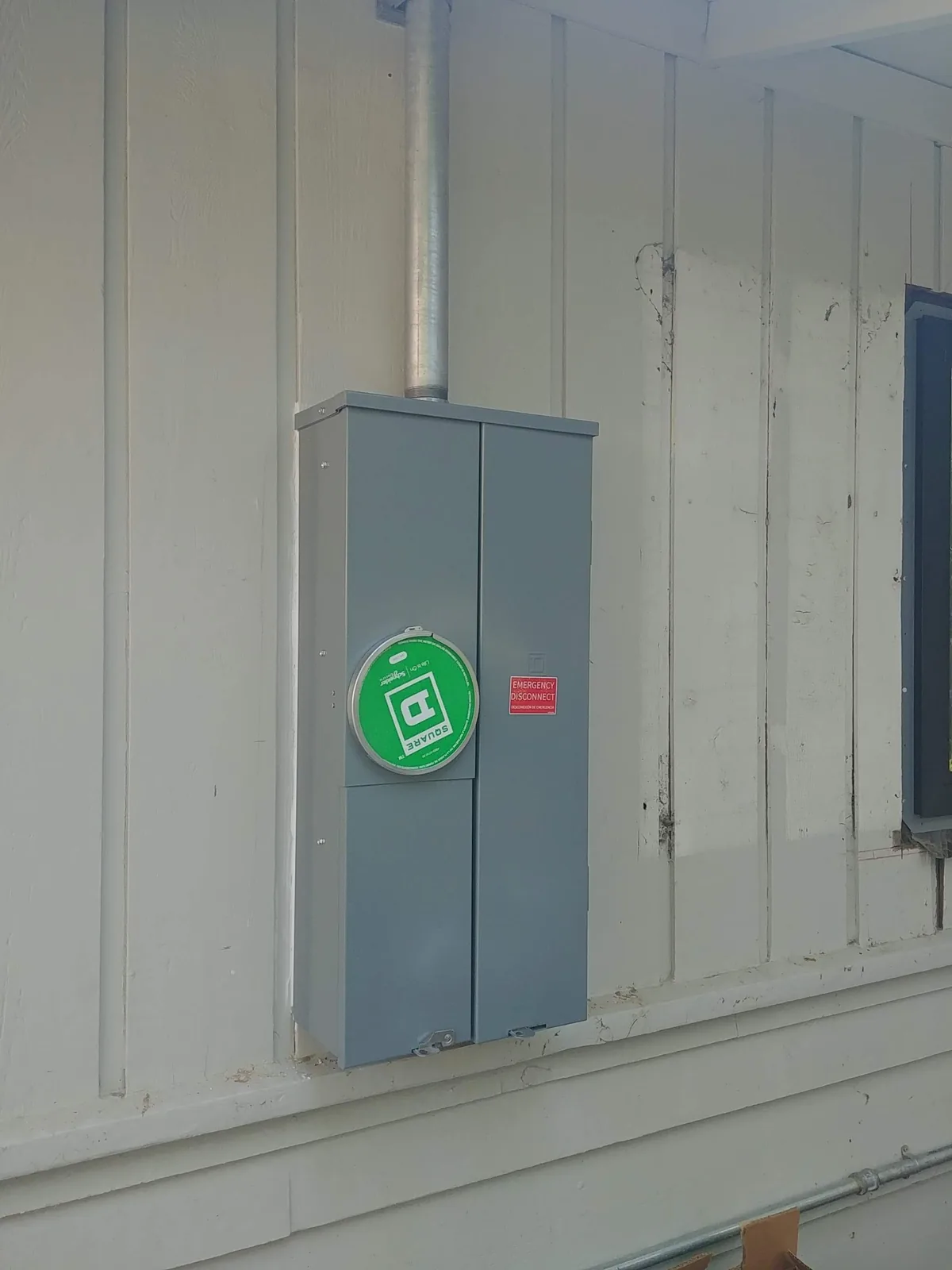
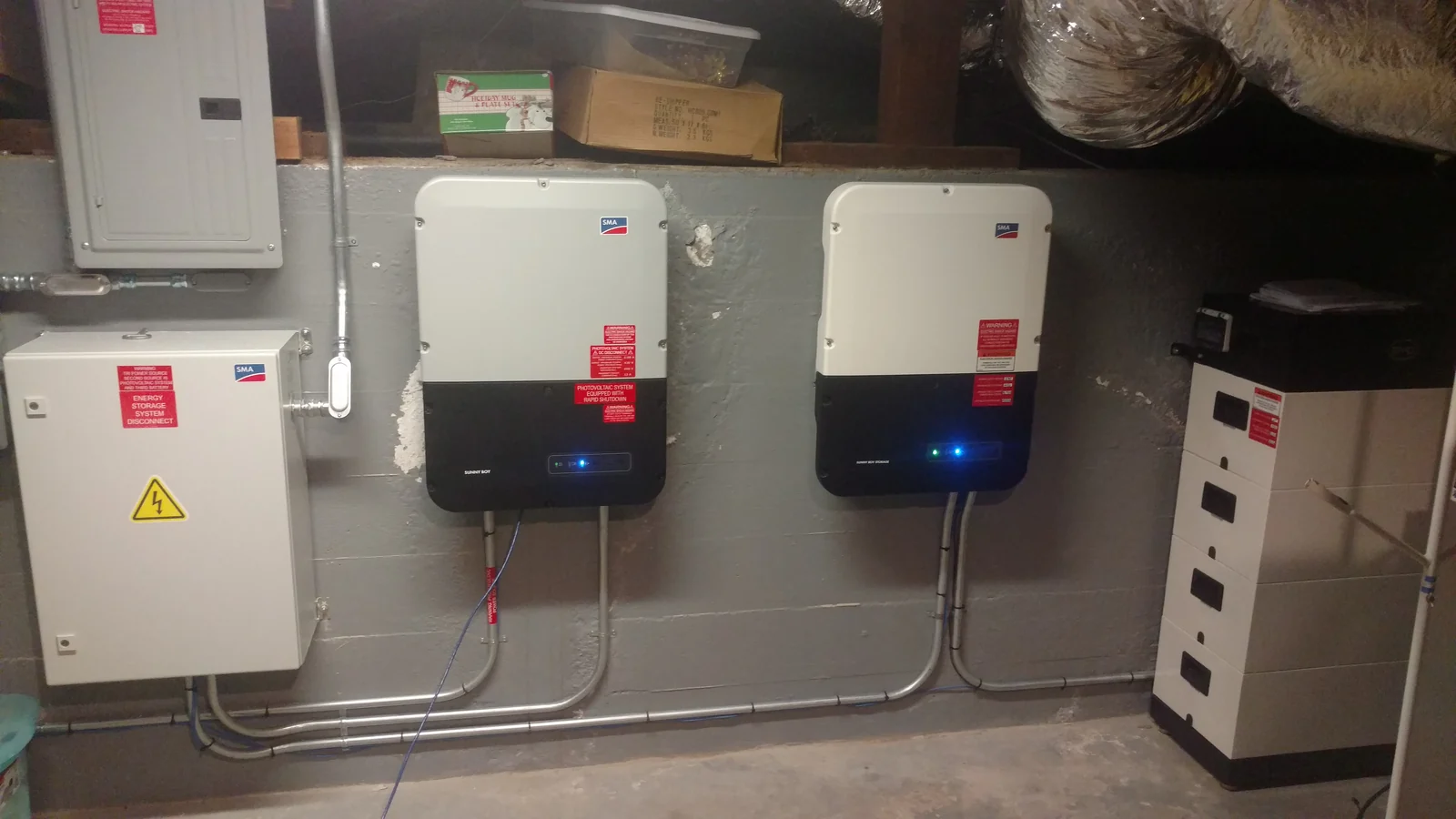
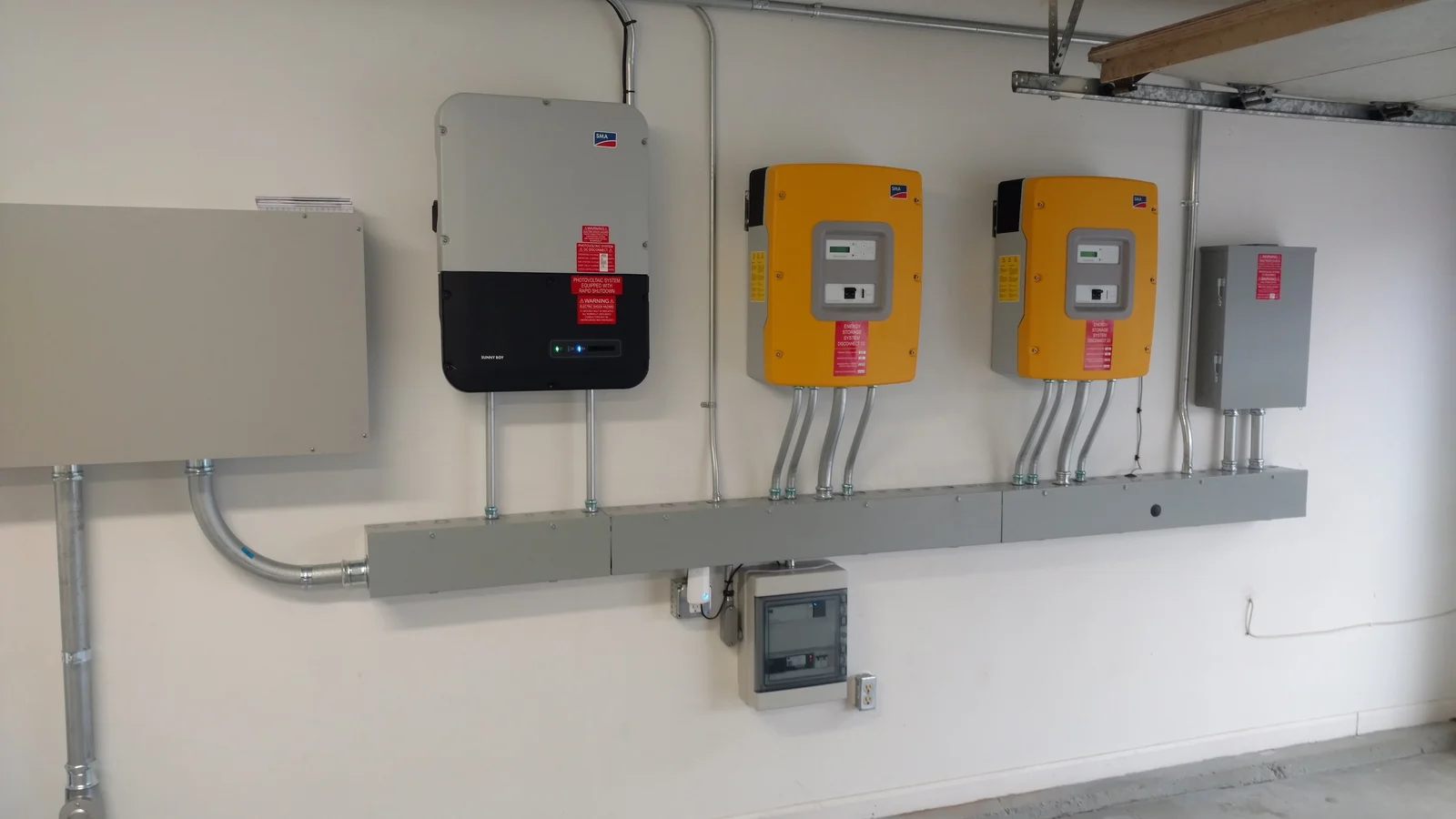
Panels we have installed.
Ready to upgrade your panel?
Send us photos of the existing panel with the cover off and we will run the load calculation, tell you the size you actually need, and give you a fixed price including the utility coordination.