Roof, solar and electrical as one job.
Going solar normally means four contractors and four schedules. We hold the licenses for all of it, so the roof, the array, the panel and the charger are one project with one timeline.
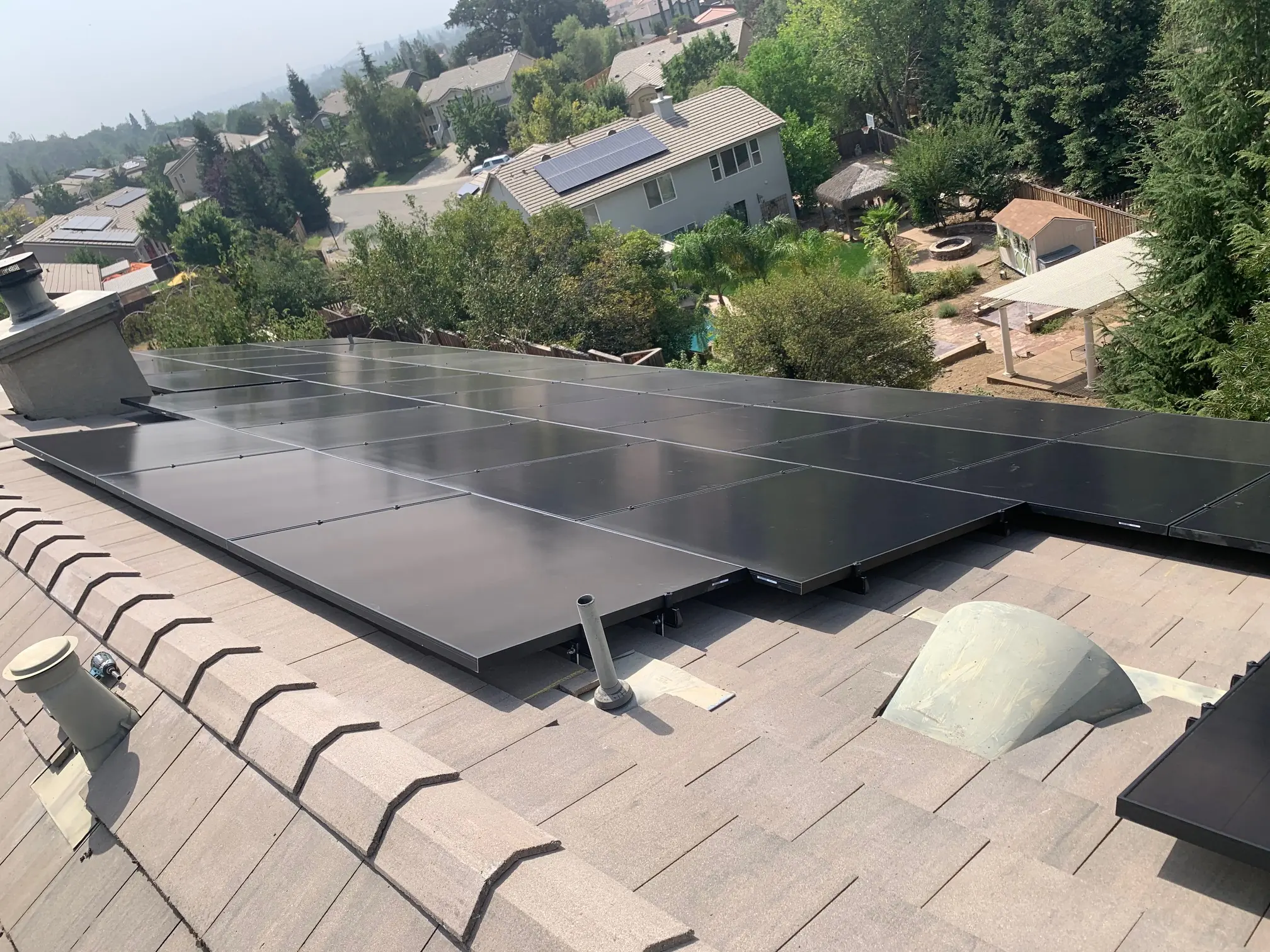
Four contractors, or one.
Solar usually needs a roofer to confirm the roof will outlast the array, a solar installer for the panels and inverters, an electrician for the panel upgrade and new circuits, and often a fourth trade for the EV charger. Four companies, four schedules, and four places for the job to stall.
We assess the roof, carry out any repair or replacement first, design and install the system, upgrade the electrical service to carry the new loads, and fit the charger — as one coordinated project with one company answerable for the result.
It is also cheaper. Equipment is bought together, there is one mobilisation rather than four, and every component is sized correctly at the outset. Nobody discovers halfway through that the panel needs upgrading or the roof will not take the array.
What the package covers.
Roof
- Full roof inspection and assessment
- Repairs or complete replacement where needed
- Structural reinforcement for the array load
- Correct flashing and waterproofing
- 25–30 year roofing materials
Solar
- Complete system design
- High-efficiency panels
- Premium inverters — SMA, Tesla, Enphase
- Tigo optimizers for maximum production
- Full monitoring
- 25-year equipment protection
Electrical
- Main panel upgrade, typically 100A to 200A
- Smart panel option
- AC disconnect and rapid shutdown
- Solar breaker installation
- Service line upgrade where needed
- Energy monitoring integration
EV charging
- Level 2 charger at 240V
- Dedicated 40–50A circuit
- Indoor or outdoor installation
- Smart charger with app control
- Load management integration
Why doing it together costs less.
Roof problems surface first
We assess the roof before designing the array. If it needs work, that happens first — rather than discovering it afterwards and paying to remove and refit every panel.
The panel is sized once
We calculate the whole load — solar, charger and room to expand — so the service is upgraded correctly the first time instead of twice.
One permit package
A single permit covers roof, solar, electrical and EV. Approval is quicker, fees are lower, and inspections are coordinated rather than queued.
Bulk equipment pricing
Panels, inverters, electrical components and chargers are bought together. Customers typically save 15–20% against separate contractors.
It finishes sooner
No dead weeks between trades. Complete projects typically run 40–50% faster than the multi-contractor route.
One company is accountable
If the array underproduces or the roof leaks, there is nobody to argue with about whose work it was.
We fit any of the major brands.
We are not a single-brand installer. We help you pick the right system for the roof, the shading and the budget rather than the one we are tied to.
SMA
German-engineered inverters with a reputation for reliability and a 20-year-plus service life. Strong choice for straightforward grid-tied systems.
Tesla Powerwall
Complete storage for backup power and for getting the most out of what you generate rather than exporting it.
Enphase
Microinverters, so each panel works independently. Excellent monitoring and easy to expand later.
SolarEdge
Power optimizers with solid monitoring. Well suited to complicated roof layouts with shading.
Tigo
Optimizers and rapid shutdown. Strong on safety and code compliance.
Smart panels
Circuit-level monitoring at the panel, so you can see exactly where the power is going.
What a full system costs.
A guide for a typical 8kW system, not a quote. Roof condition and service capacity move it most.
And what comes back.
Incentives change and eligibility varies. We work out what you actually qualify for rather than quoting the headline figure.
How long it takes.
Most of the calendar is permitting and waiting on the utility. Actual construction is two to three weeks.
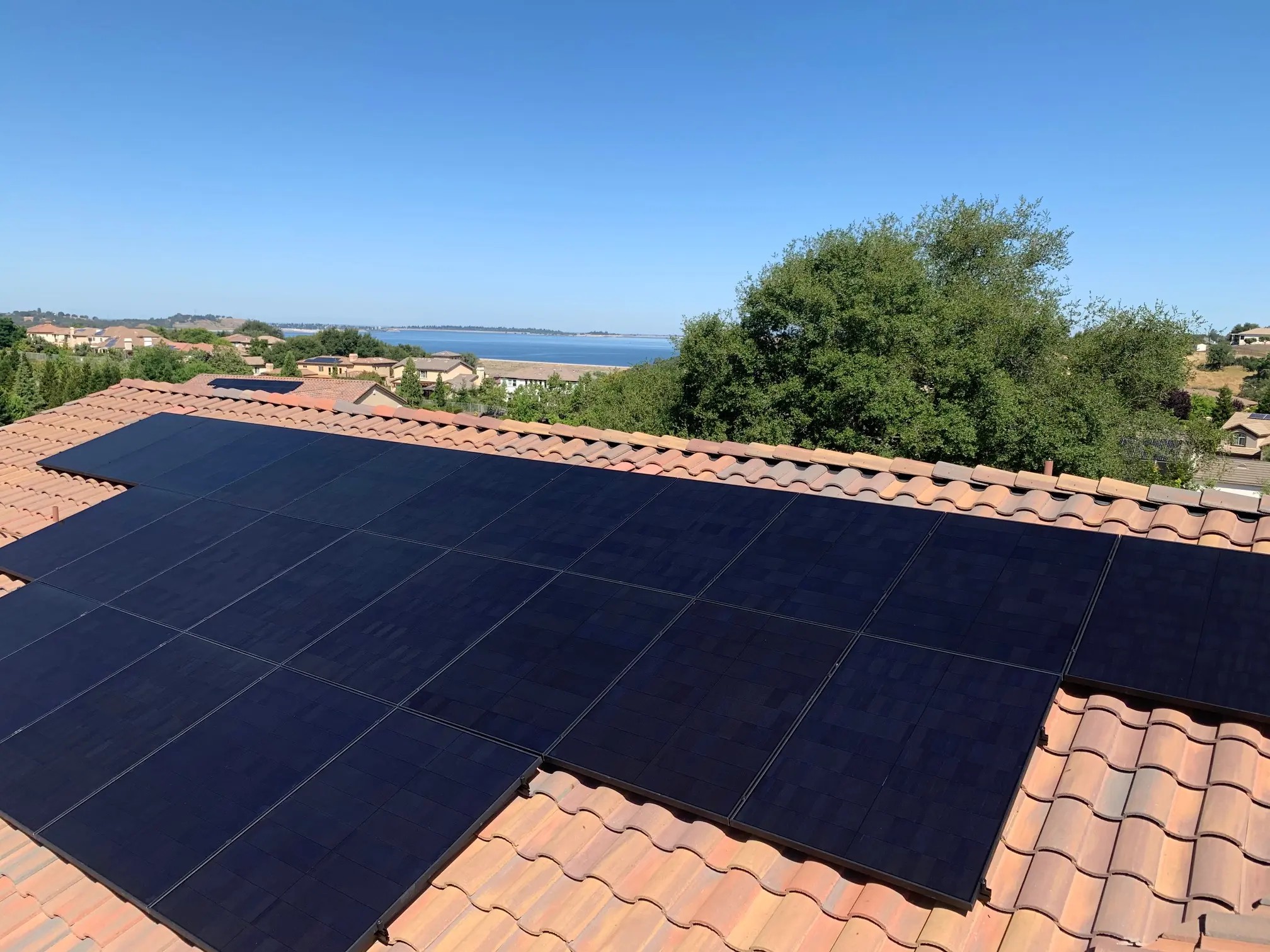
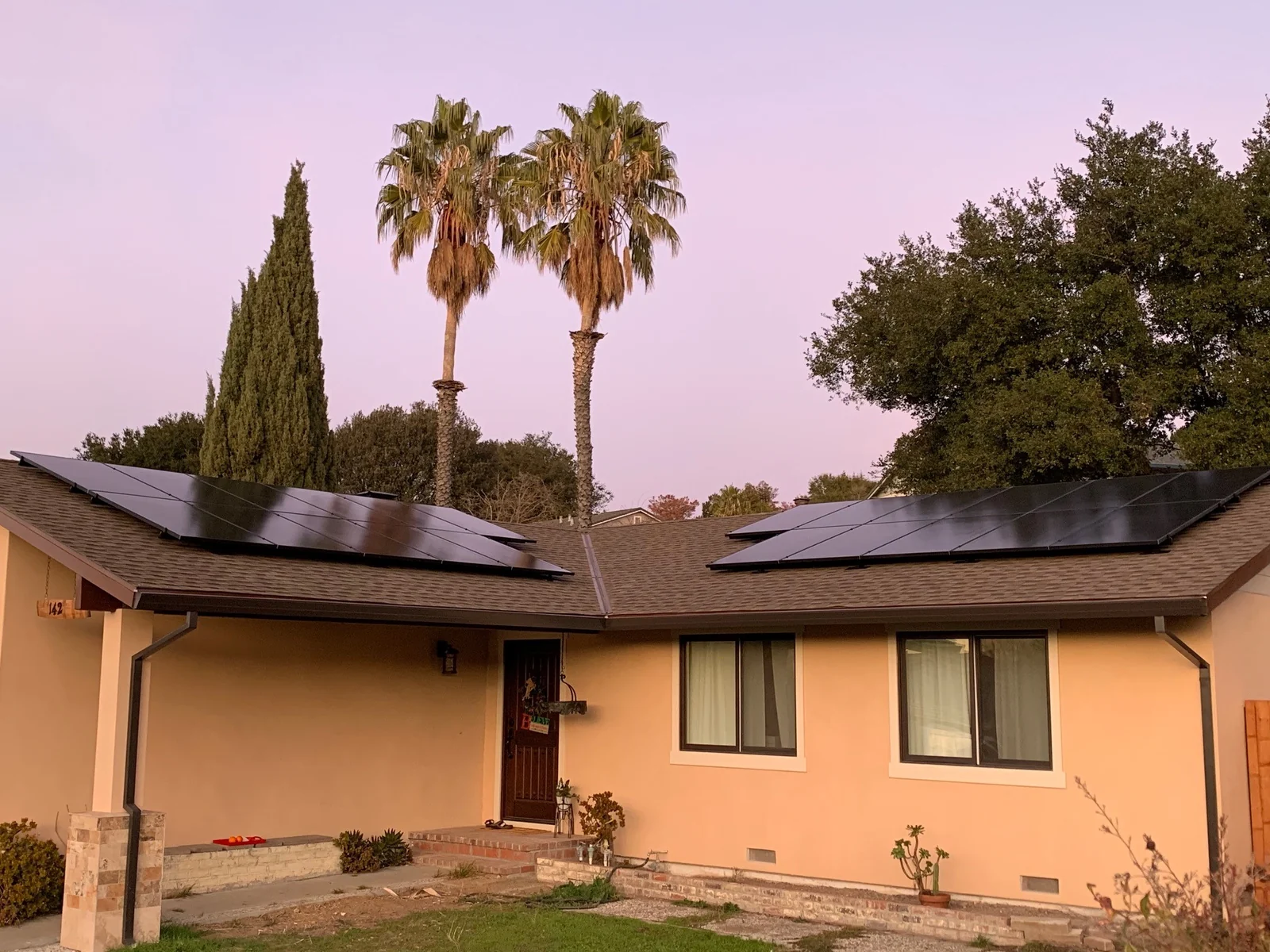
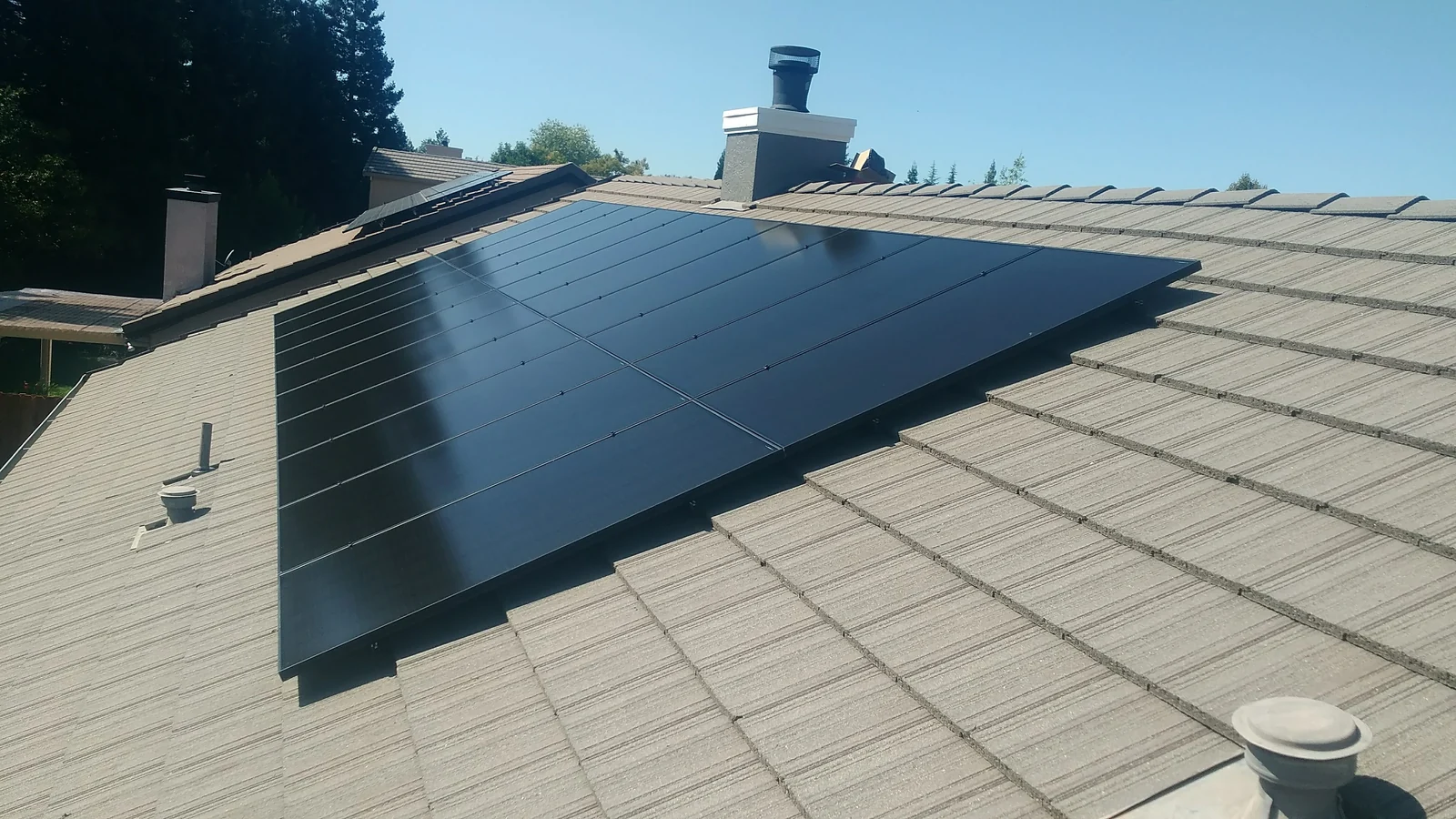
Systems we have installed.
Ready to go solar without the juggling?
Send us a recent PG&E bill and photos of the roof and panel. We will model the system against your actual usage, tell you what the roof needs first, and price the whole thing as one job.